The archive / Film, TV and books
1770–1800 · Germany and Europe
Novels are making our daughters ill!
Reading mania
Panic meter
The verdict
Reading novels was said to ruin the morals and health of the young, especially women. Today we worry that young people read too little.
Reality meter
What was said?
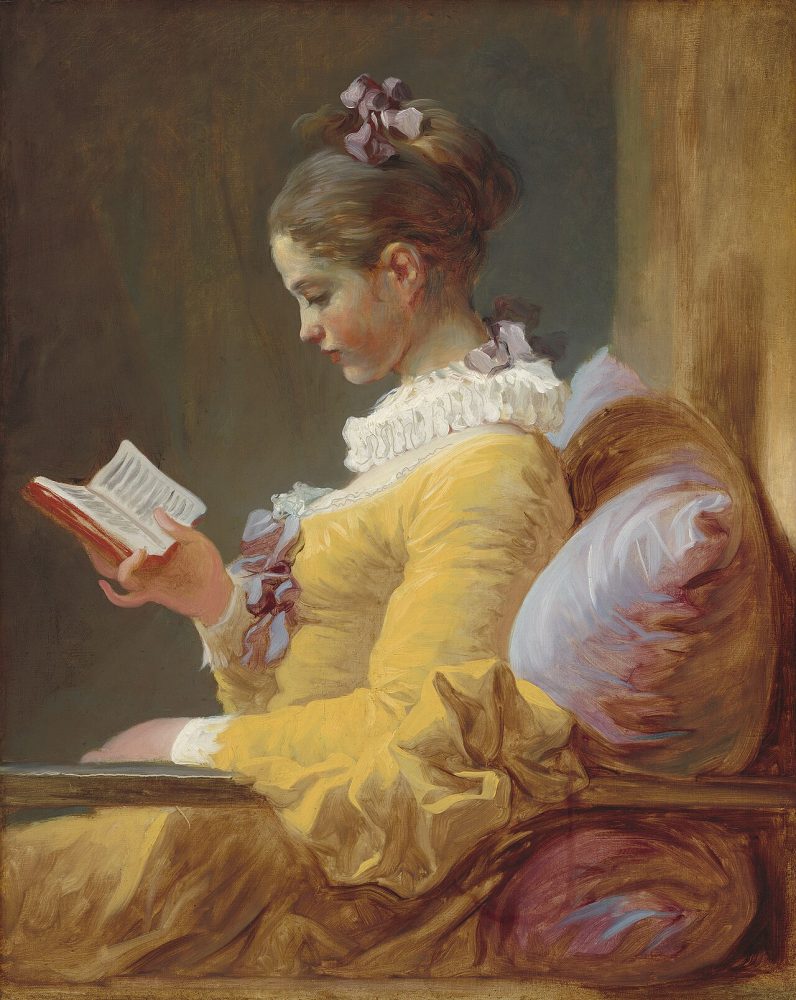
In the late 18th century novels became cheaper and more people could read. In Germany, commentators spoke of Lesesucht – reading addiction. Doctors and clergymen warned that reading novels caused poor posture, weak nerves and unrealistic expectations of love, and that it threatened young women above all.
When Goethe's Den unge Werthers lidanden (The Sorrows of Young Werther) came out in 1774, the book was banned in several places for fear that young men would take their own lives in imitation of its hero.
The verdict: what happened next?
Reading spread, and in time became something that schools and parents encourage. The warnings about nerves and posture turned out to be unfounded.
The worry about Werther lives on in the term the Werther effect: research has since shown that the way the media portray suicide can have an influence, which is why newsrooms today follow guidelines. So it was not novel-reading as such that was the problem.
Comments 0